

As the year comes to an end, I felt it would be nice to recap my reading list.
It began quietly - not with a resolution, but with a restlessness.
The kind that makes you reach for books without knowing what you’re looking for.
I thought I was reading stories, but maybe the stories were reading me.
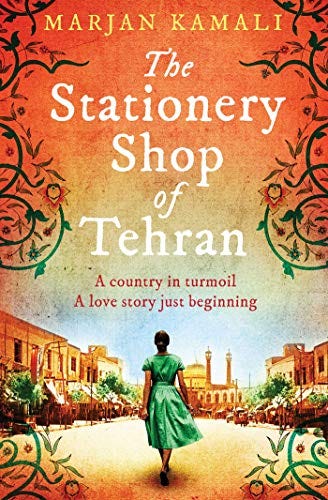
I stepped into Marjan Kamali’s The Stationery Shop of Tehran the way you step into a memory that doesn’t belong to you.
The scent of paper, the hum of a distant city, the trembling hope of young lovers - Roya and Bahman - meeting in a bookshop that holds the world still for them.
When the revolution tears them apart, what remains is not tragedy, but time refusing to explain itself.
I underlined a line I still remember:
“Love is not about what happens. It’s about what doesn’t.”
That sentence followed me for months.
It whispered that the stories that matter most are the ones we never finish telling.
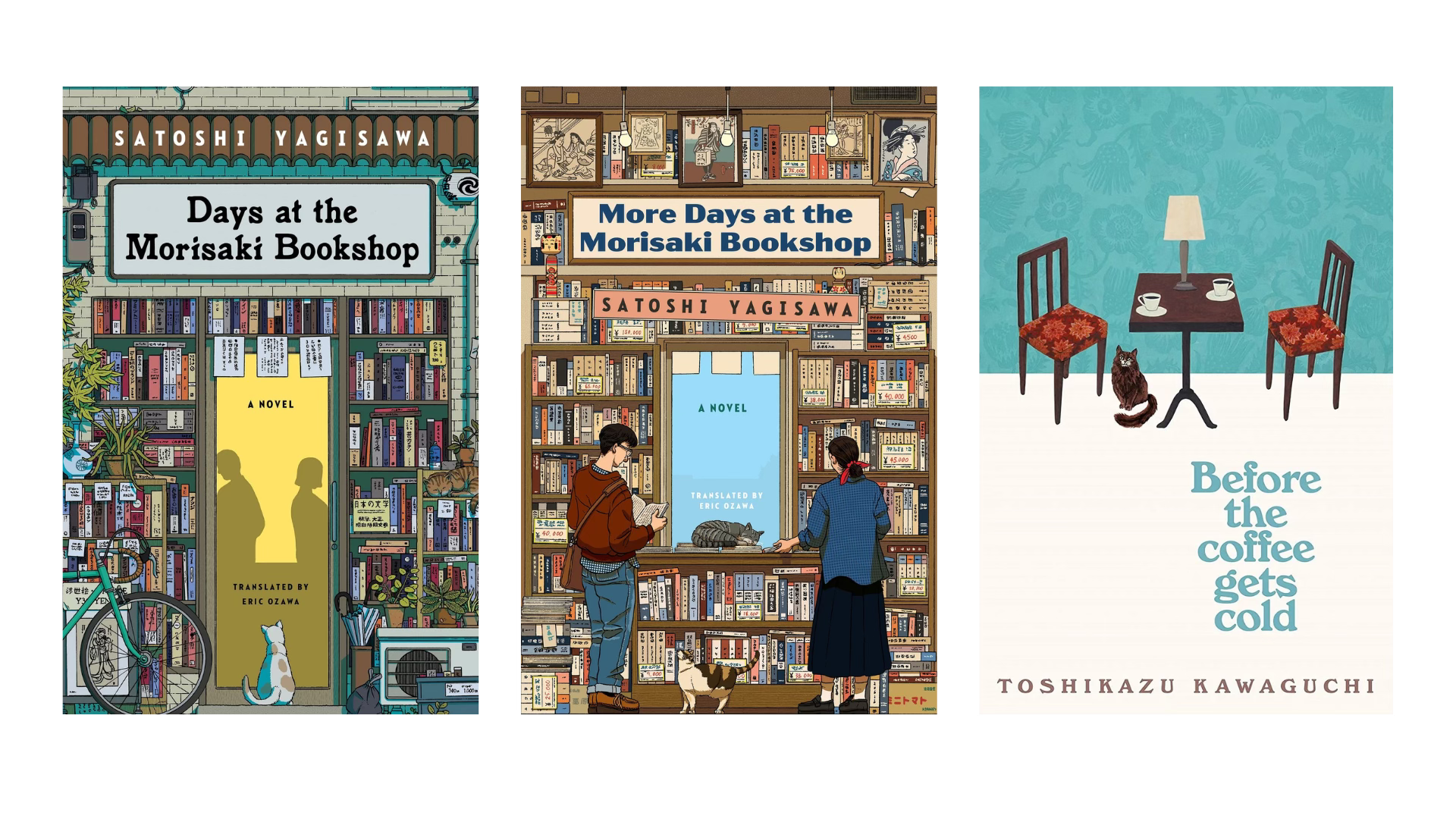
During mid-2025, I found a fancy for translations of some popular Japanese fiction -
Days at the Morisaki Bookshop and its sequel. Satoshi Yagisawa’s world is built from silence and sunlight. The story doesn’t rush; it lingers like steam rising from a cup.
If Tehran was love interrupted, Morisaki was love unhurried. It reminded me that sometimes reading is not escape — it’s recovery.
You return to yourself sentence by sentence.
I also read the first part of the very popular set this year - Before the Coffee Gets Cold — another Tokyo story, where time travel happens in a small café if you’re brave enough to face your past.
But the rule is cruelly poetic: you can go back, but nothing you change will alter the present. The only thing that changes is you.
The year 2024 and early 2025 had be tough for my startup (and me personally in general.) At some point, the books on my table shifted from hearts and time to markets and struggle.
I picked up few books that had been on my list long due. And having had decently progressed in my evolution as a founder, I always have been on look-out for something that ushers new insights - rather than being a manual for beginners.
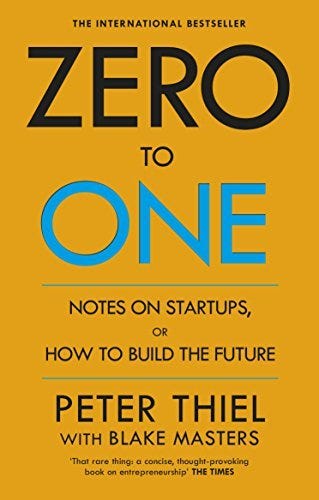
I picked up Zero to One by Peter Thiel because it’s too popular to be in ‘unread’ list. While a lot in it wasn’t new, it read like a provocation - a reminder of why I had started up in the first place. I would recommend it as a good starter for anyone before they start up.
I recall few nice things:
Creation is almost always lonely.
that every moment in business happens only once;
the next Mark Zuckerberg won’t build a social network,
the next Larry Page won’t build a search engine.
Underneath the contrarian tone, the larger idea I would revisit again for any one starting up -
“You don’t get to hide behind templates.”
Don’t follow them as a playbook.
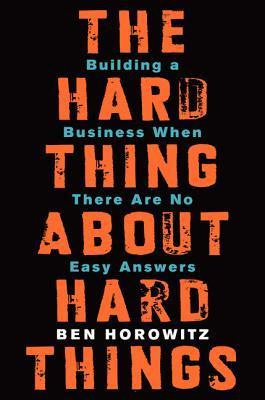
Then there was Ben Horowitz’s The Hard Thing About Hard Things - truth written in scar tissue. No philosophy - it shoots point-blank.
This was the book I really needed to read and it has surpassed everything to top positions in my non fiction reads. And I know I will keep coming back to it again and again.
He doesn’t glamorize building. He describes the 3 a.m. anxiety, the impossible decisions, the weight of knowing that sometimes there are no good options - only less catastrophic ones.
“There are no silver bullets, only lead bullets.”
It wasn’t just about companies. It was about life.
No perfect hacks, no clean exits. Just showing up, again and again, firing one imperfect shot at reality after another, hoping, somehow, to move things an inch forward.
I think I would want to take out time to write about this book in more detail sometime.
These two books together drew a rough sketch of ambition:
the dream of creating something that didn’t exist, and the quiet brutality of surviving what that dream demands.
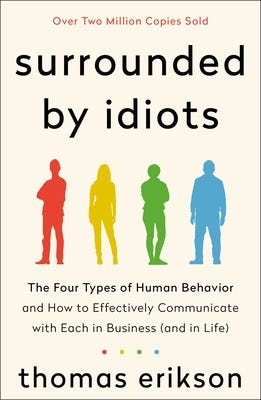
As a founder and an adult navigating relationships and friendships - dealing with people turned out to be far more complex than I had imagined.
Thomas Erikson’s Surrounded by Idiots arrived like a translation manual for human nature. On the surface, it’s a framework — colors and categories — but beneath that is an invitation to humility.
I learned that understanding people is not about decoding them, but about de-centering yourself.
That we are all, at some point, someone else’s “idiot.”
And that empathy begins the moment you stop demanding that others make sense to you.
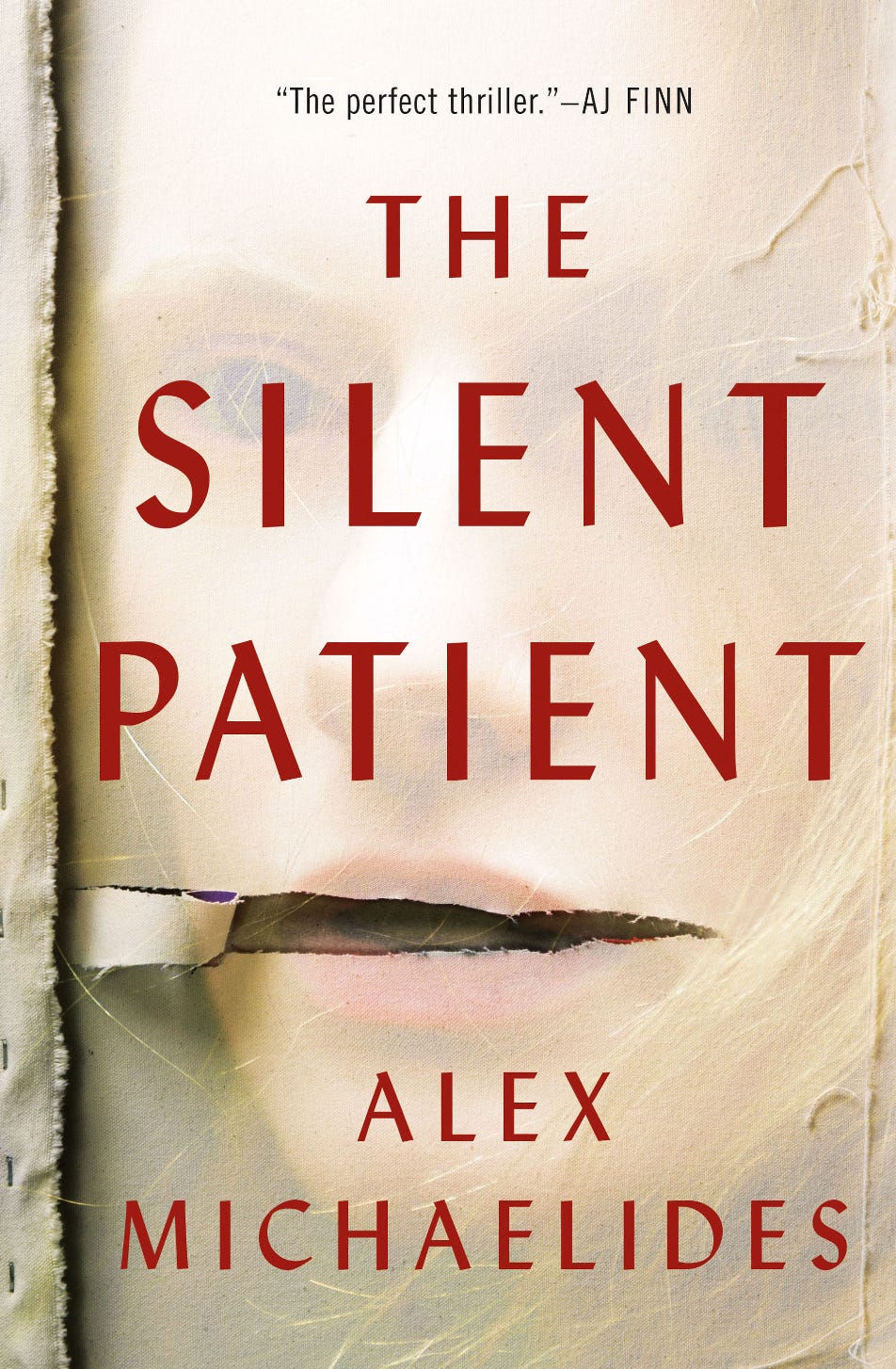
If Zero to One and The Hard Thing about Hard Things asked what we build in the world, The Silent Patient asked what we build inside our heads (though it’s fiction). Alex Michaelides’ novel comes dressed as a psychological thriller: Alicia Berenson, a painter, murders her husband and then goes completely silent. Theo, a psychotherapist, is determined to make her speak.
But as the story unravels, you realise the real investigation isn’t just about Alicia.
It’s about him. And, uncomfortably, about you.
I underlined a thought about how we tell ourselves stories to live with what we’ve done - and how sometimes those stories are more dangerous than the truths they hide.
Silence, in this book, isn’t emptiness. It’s everything the reader suspects but doesn’t want to face.
It’s the recognition that we all maintain carefully edited narratives about who we are. And sooner or later, those narratives come to collect their debt.
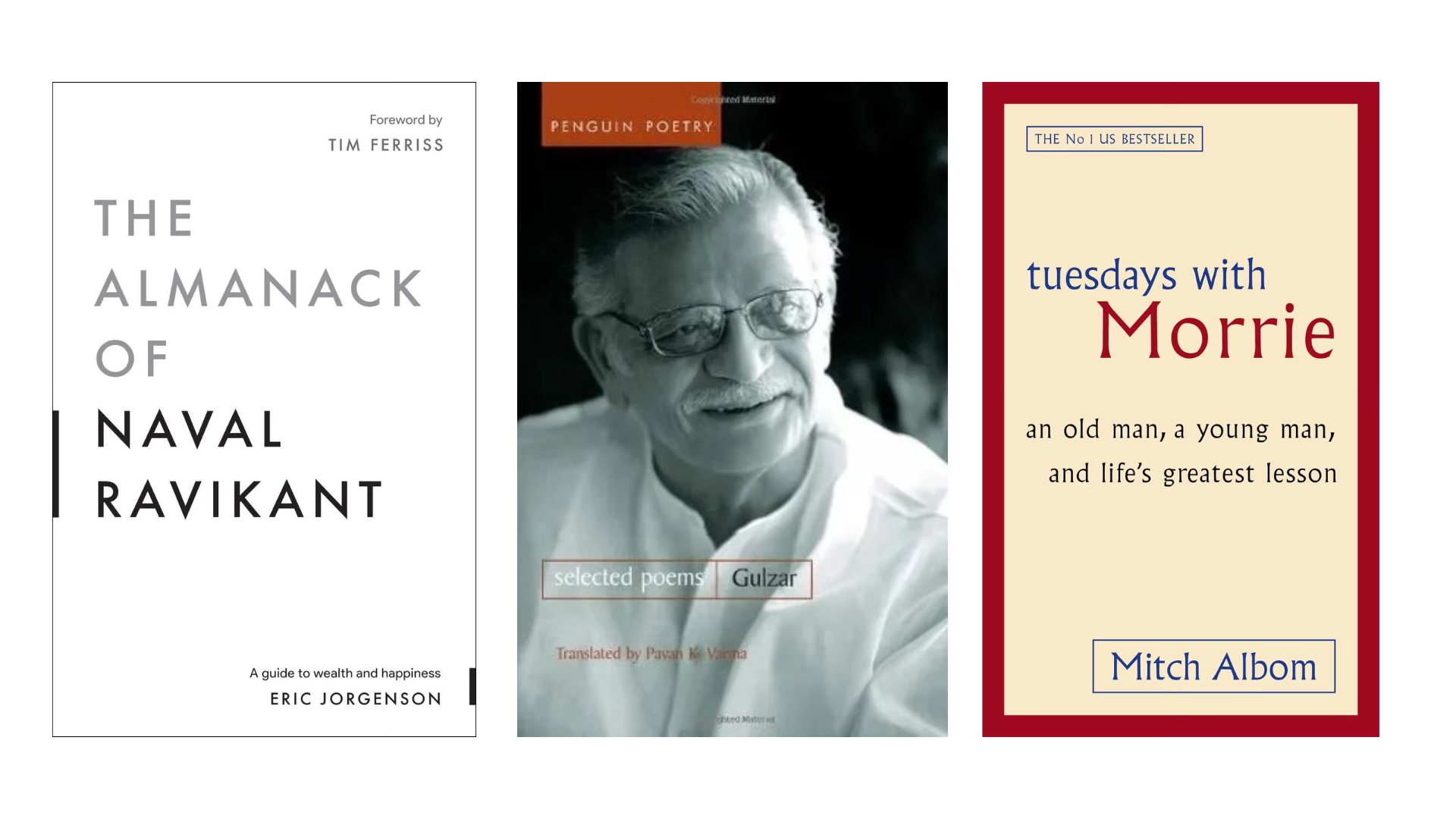
When I turned to The Almanack of Naval Ravikant, the language shifted again — from narrative to distilled thought.
Naval doesn’t add complexity. He strips it away.
Wealth, happiness, freedom — he treats them less as goals and more as side effects of understanding yourself clearly and wanting less from the world.
Then came Gulzar’s Selected Poems — words so gentle they barely touched the page.
He doesn’t explain life; he hums it. His verses are like open windows — what enters is not meaning, but air.
And in between these two, I met Morrie. Tuesdays with Morrie is a small book with a very slow heartbeat. On the surface, it’s simple. In reality, it’s a quiet dismantling of everything we mistake for a life.
Morrie doesn’t insist you chase greatness. He insists you pay attention - to love, to presence, to the tiny, unglamorous rituals of care.
If Naval questions your desires and Gulzar tenderises your feelings,
Morrie does something subtler: He asks whether the ladder you’re climbing is even leaning against a wall you care about.
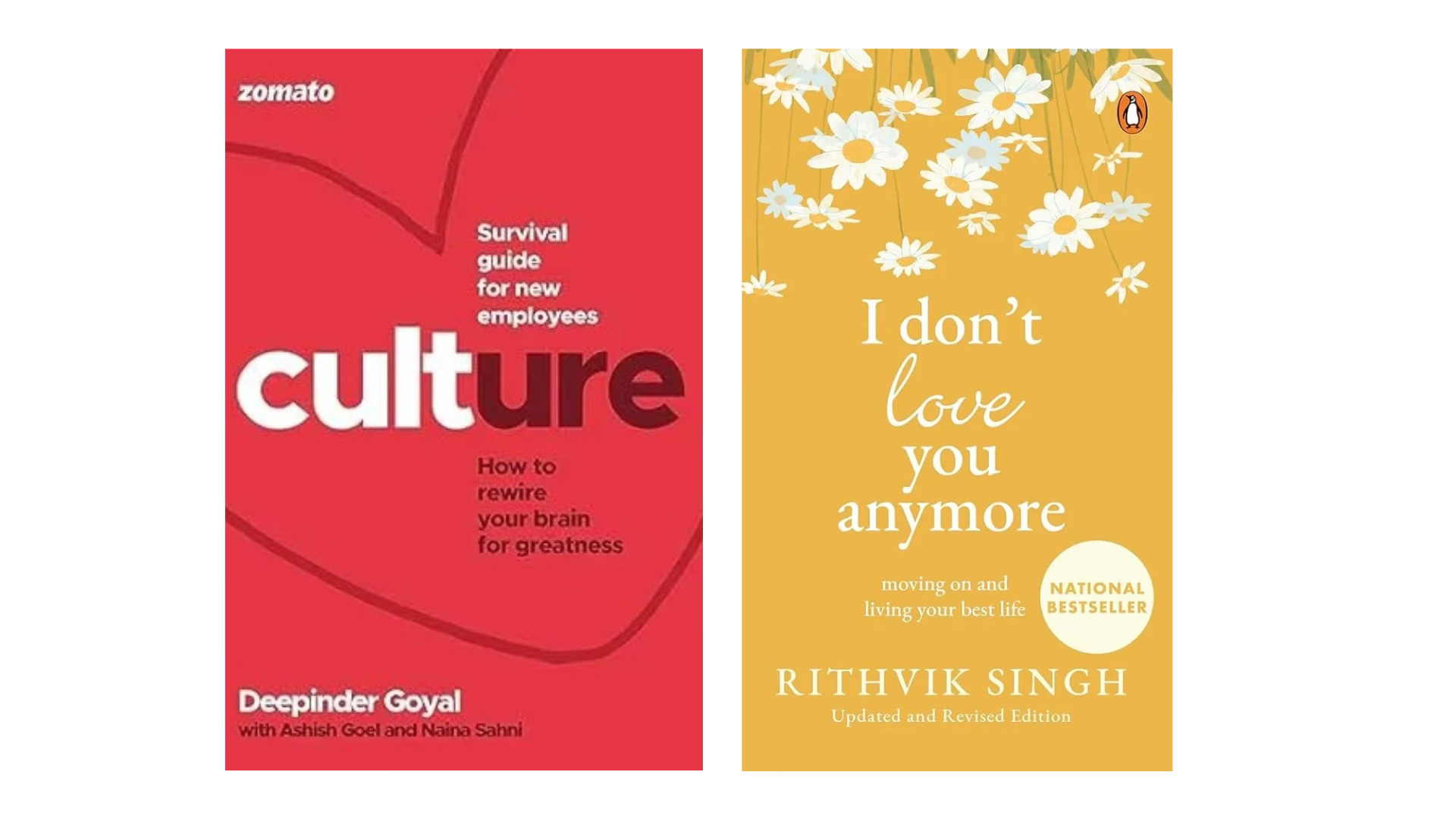
There were two very light reads I swept through - Deepinder Goyal’s Culture - an internal memo they followed at Zomato, given to every employee, and Ritwik’s I don’t don’t love you anymore - which gave me vibes like Rupi Kaur’s work. The latter is nice for mass appeal in college kids, but don’t expect much if you are a literary nerd like me.
By the end of the year, I realized: I hadn’t been reading for answers.
I’d been reading for echoes.
Each book — Tehran, Tokyo, the therapist’s office, the startup war room — had been a mirror of different parts of my mind.
And what I underlined wasn’t just lines. It was reminders:
That silence is not emptiness.
That leadership is not loudness.
That love, once begun, never really ends — it only changes form.
That people are puzzles, not problems.
That meaning is not found; it’s assembled, piece by piece, from what we notice.
Books are not an escape. They don’t take us elsewhere. They bring us closer - to the person waiting this side - the one we had lost in touch with.
Thanks for sharing your reads and the lines that stayed with you. Reading this felt like returning to those books through your eyes. As they say, everything we read, see, or touch leaves an imprint greater than zero, and we carry so much of it within us, even when we don’t consciously realise it.